

A Comprehensive Care Guide for Antaresia Pythons
Welcome to the wonderful world of Antaresia pythons! Known for their small size, docile nature, and beautiful patterns, these Australian pythons—including the Children's python (A. childreni), Spotted python (A. maculosa), and Stimson's python (A. stimsoni)—make for a rewarding and manageable pet for both beginner and experienced reptile keepers. This guide will provide you with the essential information you need to give your snake a happy, healthy life.
1. Meet the Species: The Antaresia Genus
The Antaresia genus contains some of the smallest pythons in the world, all native to Australia. While they share similar care requirements, each species has unique characteristics.
Children's Python (Antaresia childreni)
-
Description: Typically a light to dark brown colour with a slightly darker top side. They may have a blotchy or unpatterned appearance, with their pattern often fading with age.
-
Size: The Children's python is a relatively small species, with adults reaching an average length of 75-100 cm, although some can grow slightly larger.
-
Natural Habitat: Found across northern Australia, from Western Australia to Queensland. They are primarily terrestrial and often found around rocky outcrops and termite mounds.
Spotted Python (Antaresia maculosa)
-
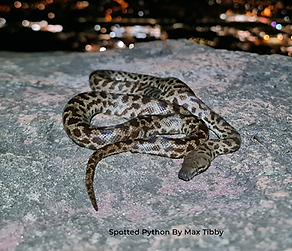
Description: As the name suggests, this species is characterised by its distinctive pattern of dark, oval-shaped spots on a lighter background of tan, olive, or reddish-brown. The spots remain well-defined throughout their life.
-
Size: Spotted pythons are the largest of the Antaresia genus, with adults typically growing to 100-140 cm.
-
Natural Habitat: They are found in eastern Queensland and northeastern New South Wales. They are known for being semi-arboreal and are often found in rocky areas.
Stimson's Python (Antaresia stimsoni)
-
Description: This species is very similar in appearance to the Children's python, often with a light brown base and darker, irregular blotches that can create a "banded" look. Their patterns tend to be less distinct than the Spotted python's.
-
Size: Stimson's pythons are one of the smaller species in the genus, with adults reaching an average length of 75-90 cm.
-
Natural Habitat: Found throughout Australia's arid inland regions, they are typically associated with rocky habitats and creek lines.
Pygmy Python (Antaresia perthensis)
Note: While less common in the pet trade, this is a key member of the genus.
-
Description: The smallest of all the pythons, they are known for their reddish-brown colouration and faint spots that become less distinct with age.
-
Size: A true pygmy, the Anthill python only reaches an average length of 50-60 cm.
-
Natural Habitat: Found only in the Pilbara region of Western Australia, they are named for their habit of living and hunting within large termite mounds.
2. The Right Home: Enclosure and Substrate
Creating a suitable enclosure is the most important step in providing proper care. A well-designed vivarium should be secure, easy to clean, and offer a thermal gradient for your snake to regulate its body temperature.
Enclosure Progression: From Hatchling to Adult
Providing the right-sized enclosure is crucial for your snake's well-being. A snake in an enclosure that is too large can feel exposed and stressed, leading to feeding issues. Conversely, a cage that is too small limits thermoregulation and exercise.
-
Stage 1: Hatchling (0-12 months)
-
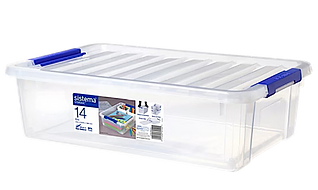
Enclosure Type: A small, secure plastic tub with a lockable lid (often called a "click-clack" tub) is ideal. These are excellent for maintaining temperature and humidity and help the snake feel secure.
-
Size: A tub around 30cm (L) x 20cm (W) x 15cm (H) is perfect for a hatchling. Ensure there are plenty of ventilation holes drilled/soldered into the sides.
-
Set-up: Include a small water bowl, a small hide at the warm end, and one at the cool end. A simple paper towel or newspaper substrate is easy to clean.
-
-
Stage 2: Juvenile (1-2 years)
-
Enclosure Type: As your snake grows, it's time to upgrade. A larger plastic tub or a small glass terrarium can be used.
-
Size: A size of approximately 60cm (L) x 30cm (W) x 30cm (H) is a good next step.
-
Set-up: Continue with two hides, a water bowl, and a basking spot. You can now add more enrichment, such as branches for climbing, as these species are semi-arboreal.
-
-
Stage 3: Adult (2+ years)
-
Enclosure Type: Once your python reaches its adult size, it's ready for its final home. A glass vivarium, a custom-built enclosure, or a secure reptile cabinet is suitable.
-
Size:
-
Children's/Stimson's Pythons: A minimum of 90cm (L) x 45cm (W) x 45cm (H).
-
Spotted Pythons: Due to their larger size, a minimum of 120cm (L) x 60cm (W) x 60cm (H) is recommended.
-
-
Set-up: This is where you can create a beautiful, enriching habitat. The enclosure should be secure, well-ventilated, and easy to clean.
-
Substrate: Use a naturalistic substrate like cypress mulch or coconut husk.
-
Hides: Provide at least two hides—one at the warm end and one at the cool end.
-
Enrichment: Add multiple sturdy branches for climbing, artificial plants for cover, and a large rock for basking. This encourages natural behaviour and provides exercise.
-
-
Substrate
The substrate is the material you use for the floor of the enclosure. It should be easy to clean and safe for your snake.
-
Recommended Options: Reptile-specific bark chips, cypress mulch, coconut husk, or even simple paper towel and newspaper are excellent choices.
-
We use Classic Chipsi bedding for most of our snakes!
-
Avoid: Sand and wood shavings from pine or cedar can cause respiratory issues or impaction if ingested.
3. Temperature, Heating, and Lighting
Temperature is critical for a snake's digestion and overall health. As cold-blooded animals, they rely on their environment to regulate their body temperature.
-
Thermal Gradient: Your enclosure must have a warm end and a cool end. This allows your snake to choose the temperature that best suits its needs.
-
Cool End: 22-26°C
-
Nighttime Temperature: The temperature can drop slightly at night, but should not fall below 20-21°C. For hatchlings, it's best to provide a 24-hour heat source until they are a year old.
-
-
Basking Spot (Warm End): 32-35°C
-
Heat Sources: There are several options for creating a basking spot.
-
Heat Lamps/Globes: Use a Radient heat emitter or a halogen/incandescent globe. These must be connected to a thermostat to prevent overheating and be placed in a protective mesh cage to prevent the snake from getting burned.
-
Heat Mats/Cords: These are placed under the enclosure at the warm end and provide "belly heat," which is beneficial for digestion. They must also be regulated by a thermostat.
-
-
Lighting: Antaresia pythons are primarily nocturnal, so UV lighting is not essential but can be beneficial for their overall well-being. A simple LED or low-wattage daylight bulb on a timer can provide a day/night cycle, which is important for their natural rhythm. A 10-12 hour light cycle is recommended.
*Thermostats are a MUST for ALL heating elements in your enclosure!
4. Food and Water
Antaresia pythons are carnivorous and their diet consists of appropriately sized frozen/thawed rodents.
-
Prey Type: Mice, rats, or day-old chicks are suitable. Always feed your snake pre-killed, frozen/thawed prey to avoid injury from a live rodent.
-
Prey Size: The food item should roughly be 1.5 times the thickness of the thickest part of your snake's body.
-
Feeding Schedule:
-
Hatchlings/Juveniles: Once a week.
-
Adults: Once every 2-3 weeks. Overfeeding can lead to obesity and health problems.
-
-
Feeding Tips:
-
Thaw frozen prey completely before feeding. You can do this in a container of warm water. Never use a microwave.
-
Use feeding tongs to offer the prey to your snake. This prevents accidental bites and trains your snake to associate the tongs with food, not your hand.
-
Do not handle your snake for 24-48 hours after feeding to prevent regurgitation.
-
-
Water: Provide a sturdy, non-spillable water bowl in the cool end of the enclosure. The bowl should be large enough for the snake to soak in if it chooses. Change the water daily with fresh, clean water.
Looking for a reliable rodent supplier?
We proudly use and recommend Reptifauna for all our feeder rodents. To make feeding easy, the sizes we reference (e.g., fuzzy, hopper, weaner) match their standard size guide.
Use our exclusive code SHIKITO at their checkout to receive 10% off your order!
5. Handling and Behaviour
Antaresia pythons are generally docile and can become accustomed to handling with time and patience.
-
Initial Acclimation: When you first get your snake, give it at least a week to settle into its new environment before attempting to handle it.
-
Handling Sessions: Start with short sessions (5-10 minutes) and gradually increase the time. Always support the snake's body and avoid sudden movements.
-
Handling Precautions:
-
Never handle your snake after it has eaten or when it is in "pre-slough" (shedding) condition (indicated by dull skin and cloudy/milky eyes).
-
Use a snake hook for initial handling if the snake is nervous or "nippy." This helps to build trust and prevent bites.
-
Always wash your hands before and after handling your snake.
-
6. Cleaning and Hygiene
Maintaining a clean enclosure is vital for preventing disease.
-
Spot Cleaning: Remove faeces and shed skin as soon as you see them.
-
Full Clean: A full substrate change and thorough disinfection of the enclosure and all furnishings should be done every 6-8 weeks. Use a reptile-safe disinfectant.
-
Shedding: Young snakes shed every 4-6 weeks, while adults shed every 6-8 weeks. A healthy shed comes off in one complete piece. If your snake is having trouble shedding, you can slightly increase the humidity by misting the enclosure. A "moist hide" (a hide box with damp sphagnum moss inside) is also a great option.
7. Health and Veterinary Care
-
Regular observation and prompt veterinary attention are crucial.
-
Signs of a Healthy Snake: Clear eyes, no nasal discharge, smooth skin, good muscle tone, eating consistently, alert and active.
-
Common Health Issues:
-
Respiratory Infections (RIs): Open-mouth breathing, bubbles from nose/mouth, wheezing.
-
Mites: Small black or red specks on the snake's body or in the water.
-
Shedding Problems: Retained eye caps or pieces of shed skin.
-
Digestive Issues: Regurgitation, abnormal faeces.
-
Veterinary Care: Find a veterinarian experienced in reptile medicine before you need one. Regular check-ups are recommended.
-
Australian Resources for Reptile Veterinary Care:
-
Queensland Recommendation: For keepers in South East Queensland, Unusual Pet Vets (with clinics in areas like Jindalee and Chermside) are highly regarded and specialize in exotic and reptile medicine.
8. Legal Requirements
In Australia, it is illegal to take native reptiles from the wild. You must obtain your Antaresia python from a licensed breeder or reptile pet store. Be sure to check your state's regulations and obtain the necessary permits before purchasing.
By following this comprehensive care guide, you will be well on your way to providing an enriching and healthy life for your Antaresia python.





Thank you for reading the Antaresia Care Guide!
If you have any questions feel free to message us on Facebook or email us on shikitoscritters@gmail.com